

Services/Radiographic Testing (RT)
Radiographic Testing Services
Radiography remains the benchmark method for weld inspection where a permanent, code-reviewable image of the weld volume is required. Prime Inspections runs the full range — conventional film RT, digital radiography (DR), computed radiography (CR), and real-time radiography (RTR) — matched to the weld, the material, and the schedule.
Our Level II and Level III technicians shoot radiography in the field and the shop, from pipeline girth welds to pressure vessel seams, delivering results interpreted and reported against the governing code.
- RT · DR · CR · RTR
- Digital & Film Radiography
What we inspect
Certified Level II and Level III technicians, the right radiographic technique for the weld in front of them.
Pipeline Girth Welds
Field RT and digital radiography on new-construction and tie-in girth welds, delivering same-shift interpretable results.
Process Piping & Pressure Vessels
RT and DR on process piping circuits, vessel seams, and nozzle welds to ASME B31.3 and Section VIII acceptance criteria.
Structural & Fabrication Welds
Radiographic inspection of structural and fabricated steel welds during shop and field construction.
Fabricated Components
RT and CR on fabricated components where internal soundness must be verified before service.
Why owners and EPCs choose Prime's radiography program
Digital speed, film-grade record
DR and CR cut the 45+ minutes conventional film development takes, without giving up a permanent, reviewable image.
Right method for the job
Film RT where it's specified or preferred, digital DR/CR for speed, RTR for fast screening — we don't force one technique on every job.
Technician certification
Level II technicians certified to our written practice under ASNT SNT-TC-1A / ANSI/ASNT CP-189, with ASNT Level III oversight and AWS CWI support where the specification calls for it, with deep radiography experience across pipeline and process industries.
Industrial radiography license information available on request — call us for current state radiation license details. (281) 944-3840
24/7 nationwide response
Coverage from our offices in Katy and Lubbock, Texas plus field locations nationwide, mobilized to your site's schedule.
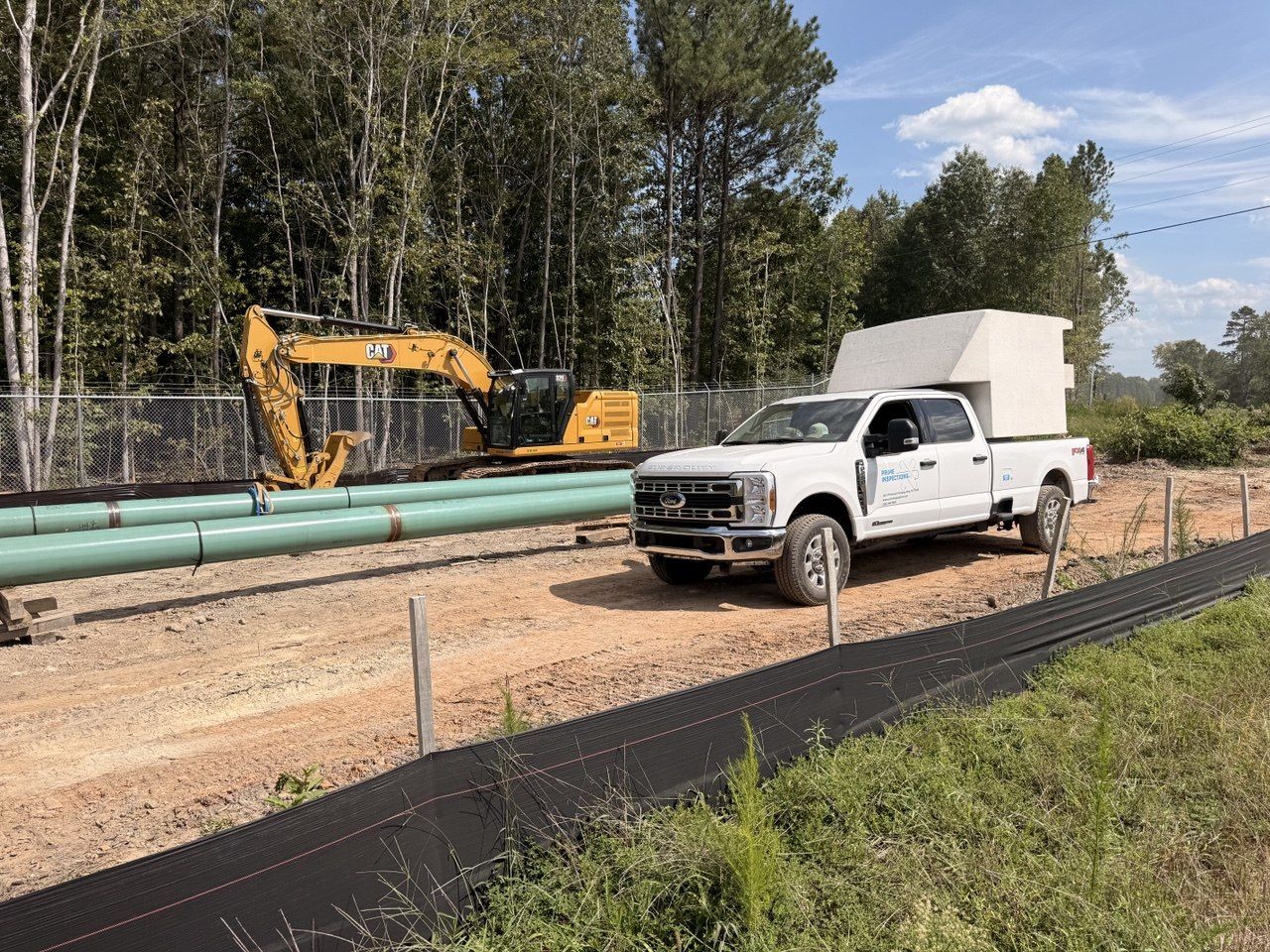
Radiography in the field
Radiography remains the benchmark method for weld inspection where a permanent, code-reviewable image of the weld volume is required. DR and CR cut the 45+ minutes conventional film development takes, without giving up a permanent, reviewable image.
Related inspection services
Prime also covers these methods and industries.
Frequently asked questions
What's the difference between conventional RT, DR, and CR?
Conventional RT exposes film that is chemically developed; digital radiography (DR) captures the image directly on a digital detector for immediate viewing; computed radiography (CR) uses a reusable phosphor plate scanned into a digital image. All three produce a radiograph interpreted against the same code acceptance criteria.
What is real-time radiography (RTR)?
RTR streams a live radiographic image during exposure rather than producing a single static shot — useful for fast screening and access-limited components where immediate feedback speeds decision-making.
Which welds and materials can you radiograph?
Pipeline girth welds, process piping, pressure vessel seams, and structural welds across carbon steel, stainless, and other alloys, inspected to the governing code in your project specification (API 1104, ASME B31, or ASME Section V/VIII).
Related methods
Capabilities & Technology
Put certified eyes on your welds
24/7 emergency response · Offices in Katy & Lubbock, TX + field locations nationwide · RT, DR, PAUT, AUT, TOFD, UT, MT, PT, VT